



Grainfather Tips & Tricks #1 - Mash Temperature
Dialling in Mash Temperature on a Grainfather
Why a few degrees can change your beer
Mash temperature is one of the biggest drivers of body fermentability and overall balance in your beer. One of the strengths of a Grainfather system is its precise temperature control — but how you use it matters just as much as the number on the screen.
Here’s how to get the most out of your Grainfather mash.
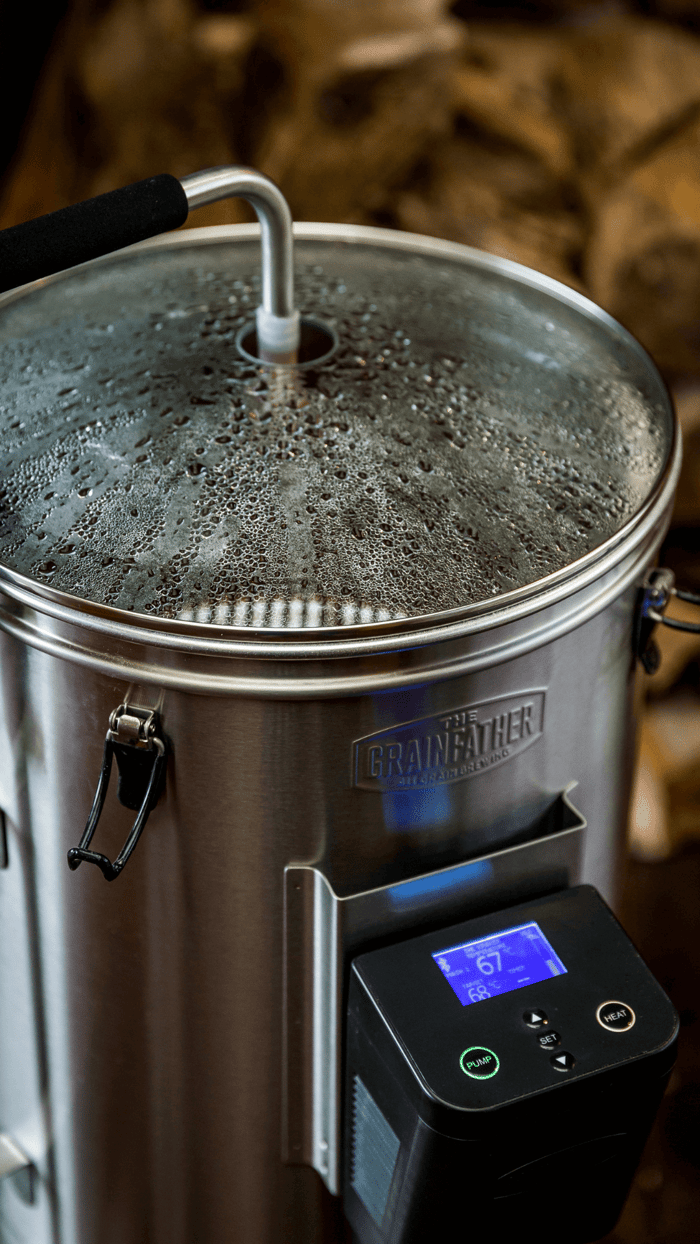
Why mash temperature matters
Mash temperature controls how enzymes convert starches into sugars.
- Lower mash temps (63–65°C) favour more fermentable sugars resulting in a drier beer
- Higher mash temps (67–69°C) produce more dextrins giving fuller body and mouthfeel
Even a small variation can noticeably change the final beer.
Getting mash-in right on a Grainfather
Most mash temperature issues start at mash-in.
Add grain slowly
Pour grain in gradually while stirring to avoid dry pockets and dough balls.
Stir thoroughly at mash-in
A good stir ensures even temperature distribution and helps the enzymes get to work immediately.
Expect a small temperature drop
Cold grain will drop the mash temperature slightly. This is normal — allow recirculation to stabilise the mash before making adjustments.
Using recirculation to stabilise temperature
Recirculation is one of the Grainfather’s biggest advantages but only if it’s used correctly.
- Start recirculation slowly
- Avoid running the pump flat out early on
- Allow the grain bed to settle before increasing flow
A steady gentle flow helps maintain consistent mash temperature from top to bottom.
Should you stir during the mash?
Yes — but not constantly.
Good times to stir:
- 10 minutes into the mash
- Halfway through longer mashes
- If you see temperature instability
Avoid excessive stirring as this can disrupt the grain bed and affect run-off later.
Fixing mash temperature issues mid-brew
If your mash temperature drifts don’t panic.
Mash running too cool?
- Increase set temperature slightly
- Stir gently to even things out
- Allow recirculation to stabilise
Mash running too hot?
- Pause heating briefly
- Stir to dissipate heat
- Resume recirculation slowly
Grainfather systems respond quickly so small changes are usually enough.
Brewcraft Tip
Consistency beats perfection. Aim for a stable mash temperature rather than chasing the exact number. A steady mash will always outperform one that constantly swings up and down.
What’s next in the series?
Grainfather Tips & Tricks #2 – Grainfather Water Volumes Made Simple
Strike water sparge water and efficiency explained clearly.