



Flaked Barley vs Flaked Wheat vs Flaked Oats
Flaked Barley vs Flaked Wheat vs Flaked Oats
Which one should you use in your next brew?
Flaked grains are one of the easiest ways to improve body head retention and mouthfeel without complicating your mash. Because they’re steamed and rolled the starches are already gelatinised which means they mash easily alongside your base malts.
Each flaked grain brings something different to the finished beer.
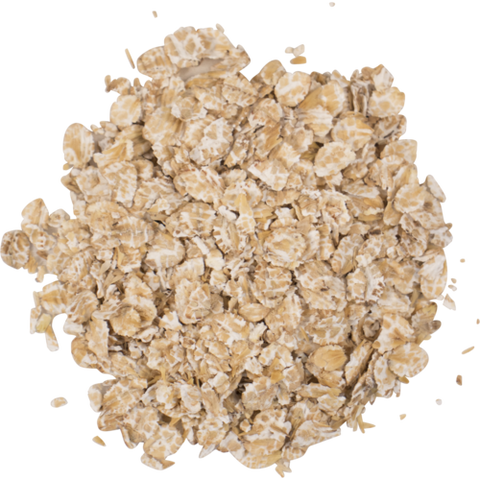


Flaked Barley
Adds body and head retention
Flaked barley is commonly used when you want a fuller mouthfeel and better foam without adding sweetness. It contributes unfermentable sugars that help build body improve head retention and add a slight natural haze.
Works well in:
-
New England IPAs
-
Wheat beers
-
Saisons
Typical use: up to ±10% of the grain bill
Flaked Wheat
Boosts foam stability and haze
Flaked wheat is high in protein which makes it excellent for head retention mouthfeel and haze formation. Compared to wheat malt it produces a slightly crisper profile and is widely used in both traditional and modern styles.
Works well in:
-
Classic wheat beers
-
Hazy IPAs
-
Saisons
Typical use: 5–10% of the grain bill
Flaked Oats
Creates a smooth creamy mouthfeel
Flaked oats are prized for the soft silky texture they add to beer. Thanks to their beta-glucans and natural gums they produce a fuller palate and rounded mouthfeel which is why they’re so popular in modern hop-forward styles.
Works well in:
-
New England IPAs
-
Oatmeal stouts
-
Hazy pale ales
Typical use: 5–15%
Note: pushing above ±20% can slow wort run-off


Brewcraft Tip
You don’t have to choose just one. Many brewers combine flaked grains to fine-tune body haze and mouthfeel.
Small additions make a big difference — experiment and dial it in.